
Ingredients, shipping labels, and nutrition facts around ounces, but unless you’re holding a kitchen scale, the number is meaningless. How much is 2 ounces, then? This guide gives you the answer to that question in straightforward conversions, a few everyday objects you can easily visualize, and the answers to most frequently asked questions about this bite-sized but surprisingly common unit of measurement.
How Much Is 2 Ounces? The Basics
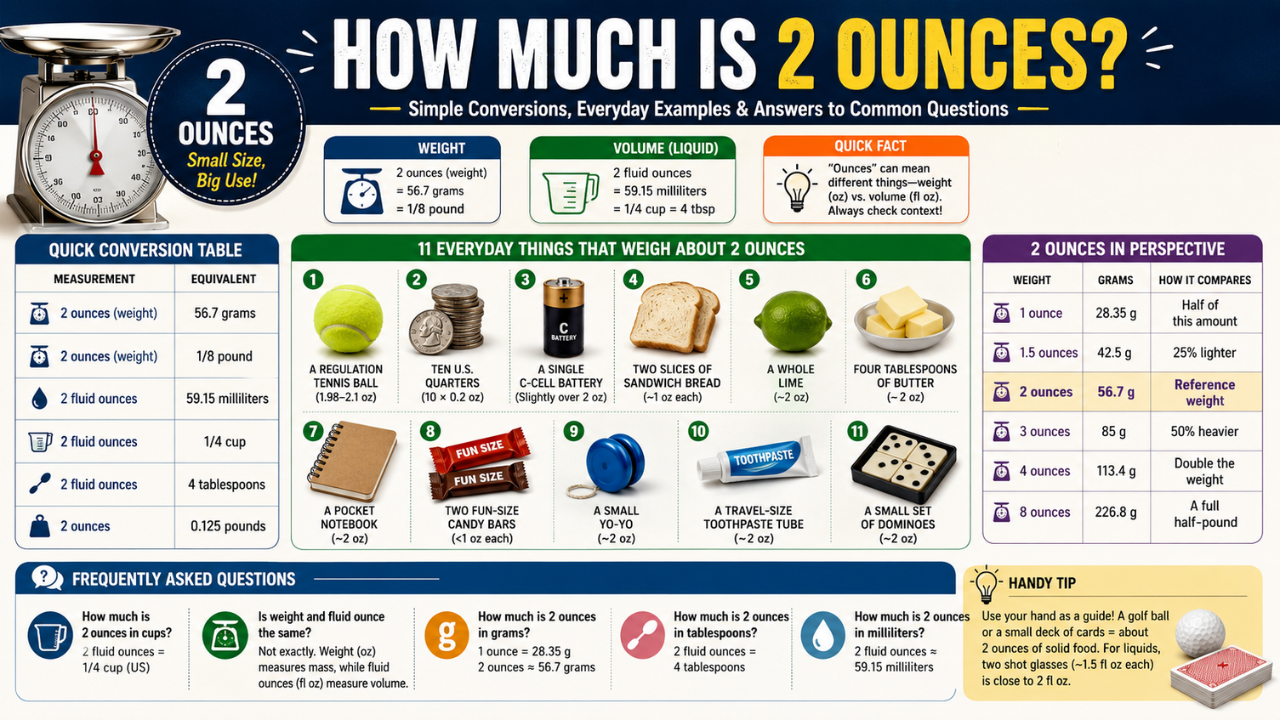
2 ounces is a smaller weight unit equivalent to one-eighth of a pound. In the metric system, it translates to around 56.7 grams. In the case of liquids, 2 fluid ounces is approximately 59 milliliters, which comes out evenly to a quarter cup in US kitchen measurements.
The trouble with that is the overlap between weight and volume, as “ounces” can mean a number of things to different sports. For example, “2 oz of flour” is often weight, whereas “2 oz of milk” usually refers to volume (fluid ounces). They’re not synonymous, though, and it pays to pay attention to which type is referenced in any given recipe or on any packaging label.
Quick Conversion Table
| Measurement | Equivalent |
| 2 ounces (weight) | 56.7 grams |
| 2 ounces (weight) | 1/8 pound |
| 2 fluid ounces | 59.15 milliliters |
| 2 fluid ounces | 1/4 cup |
| 2 fluid ounces | 4 tablespoons |
| 2 ounces | 0.125 pounds |
How Much Is 2 Ounces: 11 Regular Day-to-Day Things
Very few numbers on a page make it to your brain and stick like the object itself. The following are common items that each fall somewhere in the neighborhood of this specified weight level, sorted from specific, formulaic examples to less scientific household comparisons.
1. A Regulation Tennis Ball
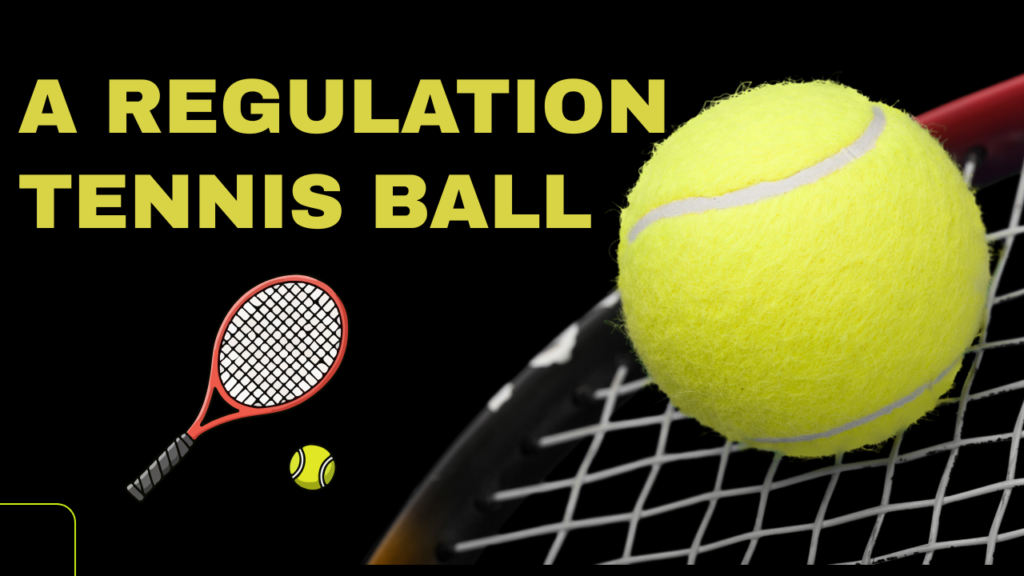
The official weight of a tennis ball is usually between 1.98 and 2.1 ounces, making this one of the closest real-world matches to this very specific weight. Those that have picked up a tennis ball have an innate sense of how 2 ounces feels in the palm.
2. Ten U.S. Quarters
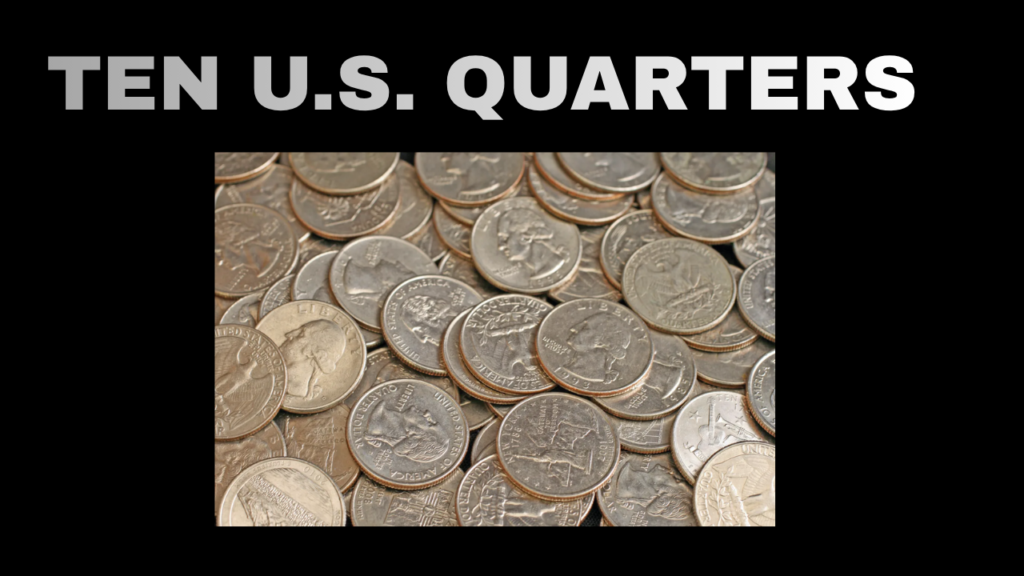
An individual U.S. quarter weighs fairly precisely 0.2 ounces, so bunched together ten of them will get you to exactly 2 ounces. This is one of the cheapest home DIY methods to get small weights done since most people have dirty change lying nearby.
3. A Single C-Cell Battery
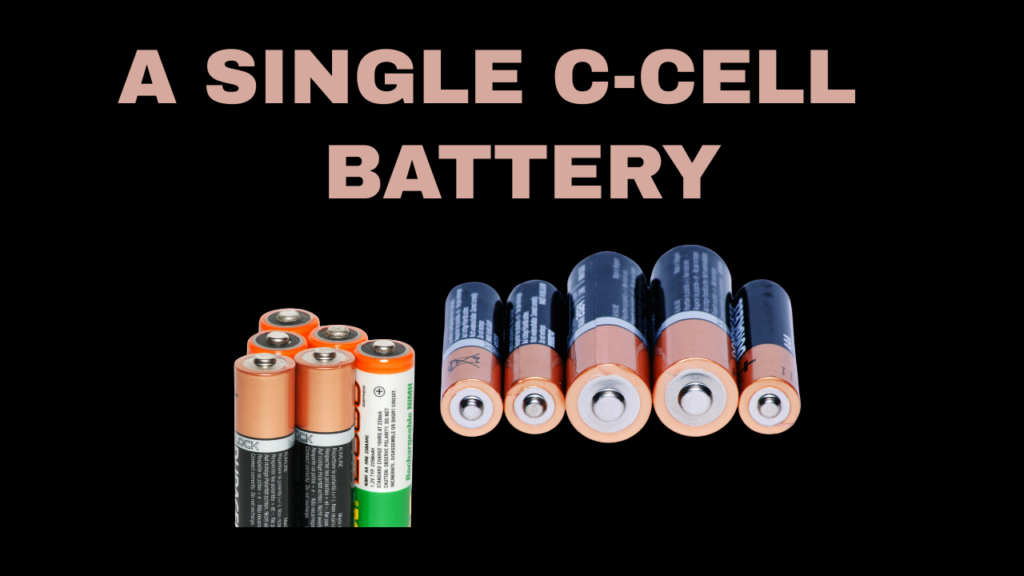
C batteries are medium carbon-zinc cylindrical batteries used in large flashlights and boomboxes; they weigh slightly more than 2 ounces а piece. They are heavier than AA or AAA batteries but still light enough to use as a natural comparison point for this measure.
4. Two Slices of Sandwich Bread
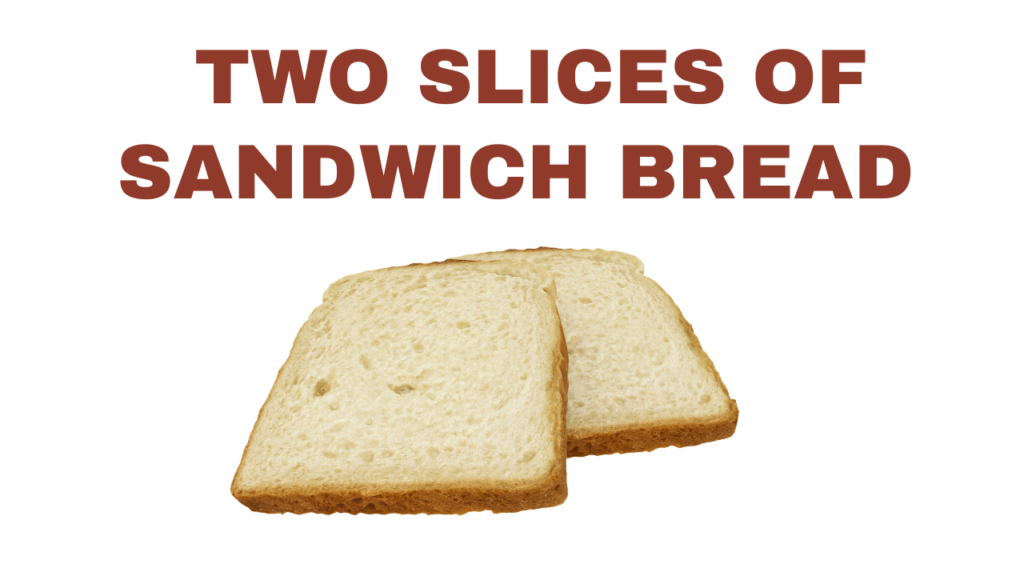
Two slices of sandwich bread weigh 1 oz apiece (a standard pass of sandwich bread weighs about an ounce) or almost precisely double that together at nearer 2 ounces. Bread is so ubiquitous in the kitchen that this analogy is easy to see for anyone who would like to estimate the weight without pulling out a scale.
5. A Whole Lime
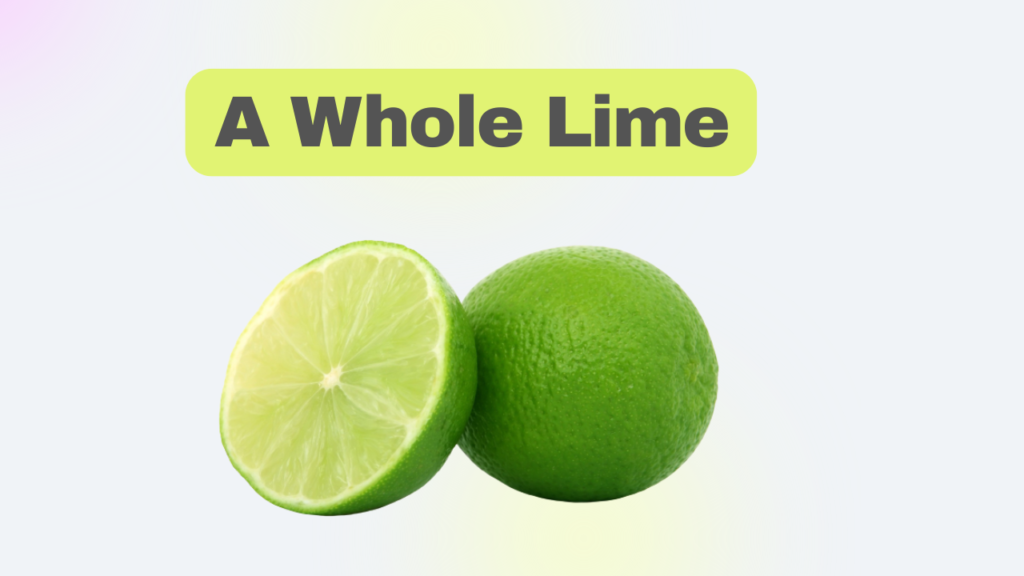
Limes are slightly lighter than lemons, as well, and a medium lime usually weighs nearly 2 ounces. We see them all the time in cocktails, marinades, and countless recipes, so it’s a point of reference pretty much any home cook would recognize.
6. Four Tablespoons of Butter
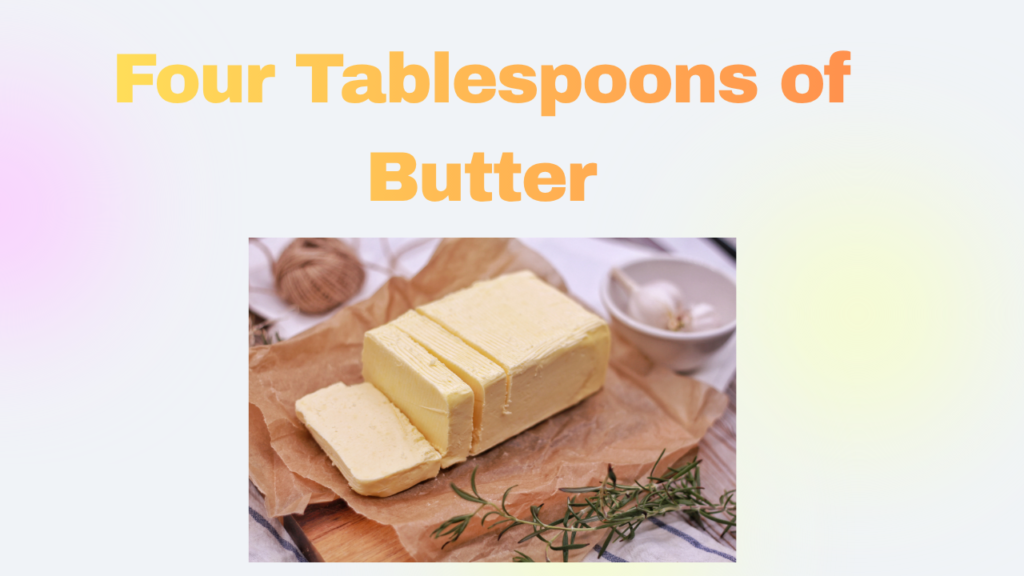
A quarter cup of butter is equal to 4 level tablespoons, which weighs approximately 2 ounces. Paper butter with measurement lines right on the wrapper is probably the most practical, hands-on way we have of being able to actually see this weight in a baking context here in the US.
7. A Pocket Notebook

Small pocket notebooks, those that are used to jot down notes and ticks on one or two pages on a loose piece of paper but mainly more as an everyday journal collection (less than half of the notebook limit) tend to come in at around 2 ounces depending on coverage. The weight is light enough you can carry it in a jacket pocket without even being aware of the extra bulk.
8. Two Fun-Size Candy Bars
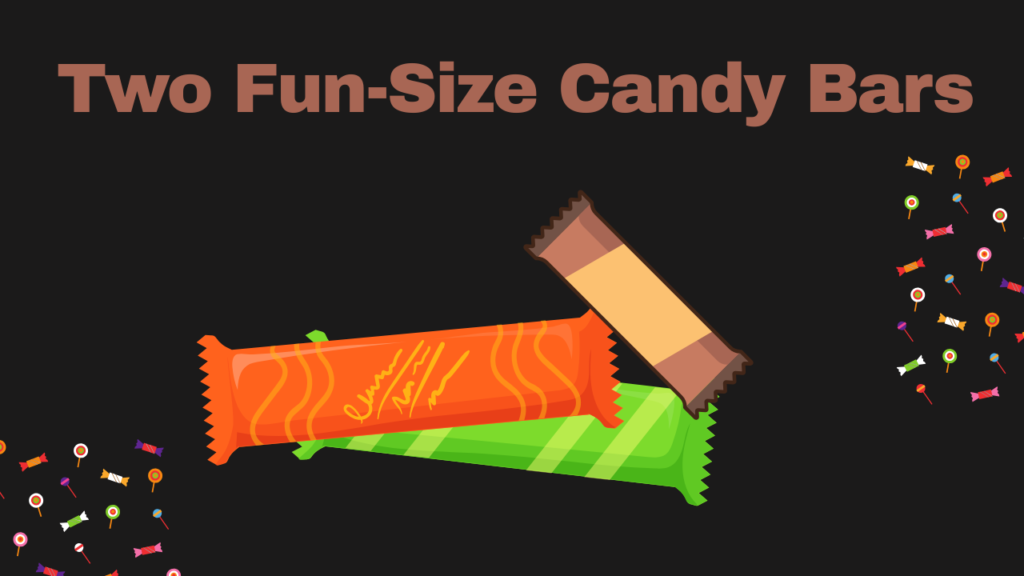
Typically, fun-size candy bars are under an ounce each when packaged individually, so two of the same candy will come close to that weight. Anyone who has ever handed their kid a fistful of Halloween candy and wondered how big that bucket they just dumped into was will find this comparison relatable.
9. A Small Yo-Yo
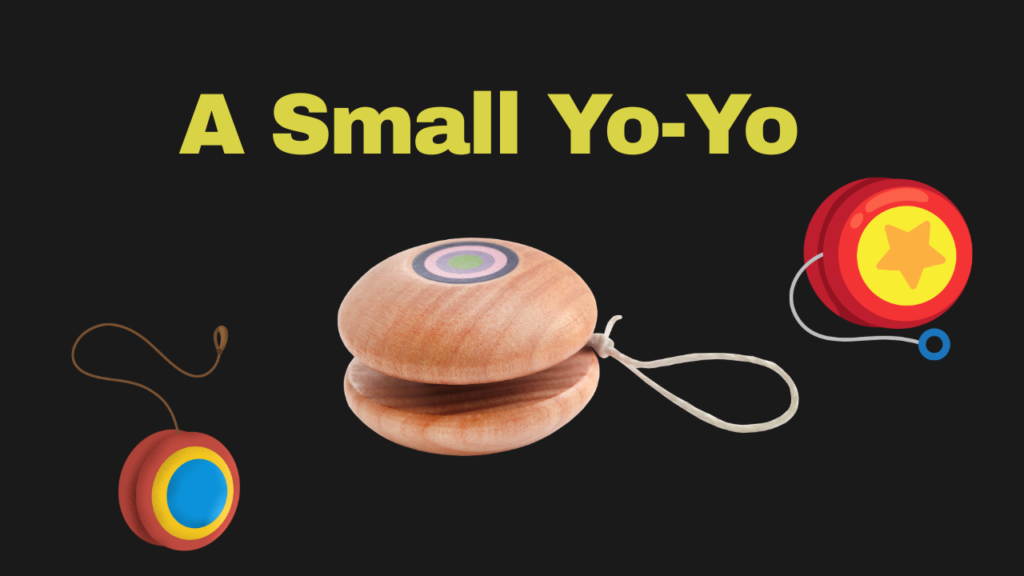
Standard wooden or plastic yo-yos are normally biased towards 2 ounces – sufficient weight to rotate adequately without turning too heavy. It is a tactile comparison that comes to mind as new-fangled and nostalgic, something everyone can remember from childhood.
10. A Travel-Size Toothpaste Tube

This is about the weight of standard travel-sized toiletries (for ultras), as those TSA-compliant tubes of toothpaste in carry-on bags are around this size. Frequent flyers probably know this very well from tossing one in a travel pouch.
11. A Small Set of Dominoes
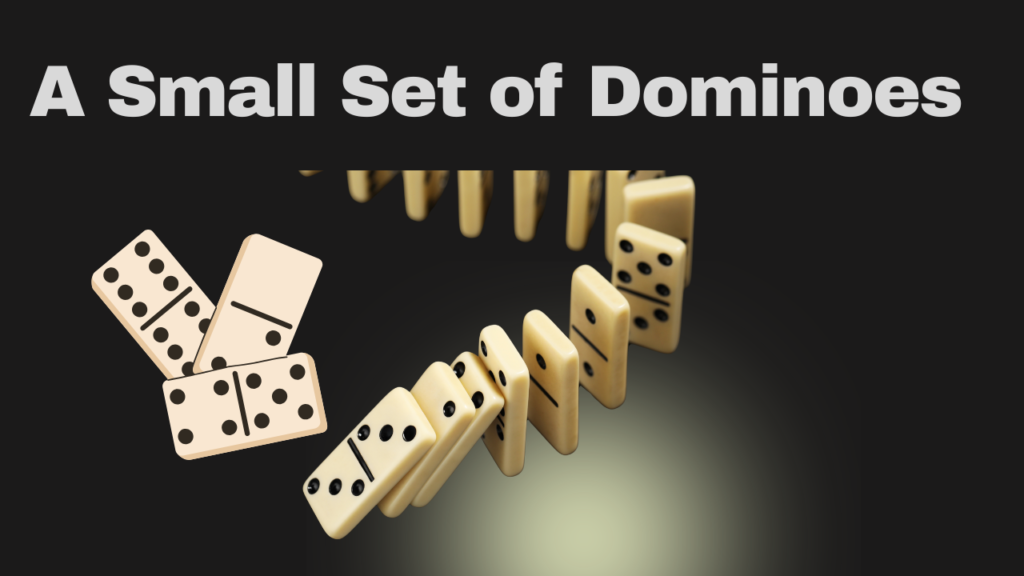
Small, travel-size sets of dominoes (that fit inside a tin or pouch) usually weigh around 2 ounces. Anyone that has packed a travel game set to take on a road trip or board game fans have probably held some kind of thing in this space.
Understand How Much is 2 Ounces Using Other Nearby Weights
Putting it in perspective with slightly bigger and smaller portions beside this measurement can also be helpful to the eye.
| Weight | Grams | How It Compares |
| 1 ounce | 28.35 g | Half of this amount |
| 1.5 ounces | 42.5 g | 25% lighter |
| 2 ounces | 56.7 g | Reference weight |
| 3 ounces | 85 g | 50% heavier |
| 4 ounces | 113.4 g | Double the weight |
| 8 ounces | 226.8 g | A full half-pound |
Why Does The Question Come Up So Often: How Much Is 2 Ounces?
There is a reason this weight shows up all the time in daily life: small enough to be a single serving size for food, for travel use or weight of a mailing pack but big enough to count in terms of the recipe, shipping price, and packed.
That particular quantity shows up so often in the kitchen, even more than 1/4 cup – it is used for small amounts of cheese, nuts, chocolate chips, or liquid ingredients such as oil or vinegar. Many home cooks don’t own a kitchen scale, and without the mental image of this amount, closer estimates are much easier to achieve.
Airline security regulations, of course, limit carry-on liquids to very small containers and many travel-sized toiletries are designed right in this weight range. Having a general metric or perception of how heavy a bag is allows travelers to pack and re-pack their bags faster and without having to unpack bags at security, as I do.
Postage prices are most commonly measured in weight brackets, and smaller packages or padded envelopes frequently fall within this general range for shipping and mailing. Two ounces is better than three, and knowing that ahead of time might allow someone to estimate postal costs before the package even makes it to a post office.
For nutrition and portion control, foods are often labelled with serving sizes in ounces (oz); therefore, two oz is a realistic serving size or reference for meat, cheese, and even snack foods. Two ounces without a scale makes it easier to record intake based on weight and also avoid over- or under-serving.
A Simple Way to Estimate How Much Is 2 Ounces Without a Scale
Your hand can be a close approximation for the scale if you do not have one on hand. A golf ball or semi-deck of cards in size is about two ounces of a solid like cheese or meat. When it comes to liquids, filling a normal shot glass (around 1.5 fluid ounces) about two times over gets you in proximity of this liquid volume.
None of these methods substitutes for a correct scale when cooking or baking that requires accuracy, but they’re good enough for informal approximations, speed cooking, and confirming a package feels close enough to the estimated weight before you put it in your final “seal.”
Conclusion
Start to plot these small measurements onto a few physical items – like a tennis ball, 10 quarters, or two slices of bread, and the abstract number sitting on a recipe or shipping label begins to make much more sense. Knowing “how much is 2 ounces?” is not very complicated once you have a clear reference in your mind, and since it arises frequently in cooking, traveling, mailing, and portioning, a firm mental image of 2 oz is truly useful in real-life situations.
Frequently Asked Questions
1. How much is 2 ounces in cups?
Common in American recipes, 2 ounces for volume is equivalent to one-quarter cup of fluid measurements.
2. How much is 2 ounces compared for weight and fluid measurements?
Not exactly. That is because weight ounces measure mass, while fluid ounces measure volume, and the two only perfectly align for liquids with a density similar to that of water.
3. How much is 2 ounces in grams?
Standard conversion from ounces to grams is based on 28.35g (grams) in one ounce, which makes our two ounces approximately 56.7 grams.
4. How much is 2 ounces in tablespoons?
Your measure of 2 fluid ounces (or 4 tablespoons, as there is also half a fluid ounce in each tablespoon).
5. How much is 2 ounces in milliliters?
Two fluid ounces is approximately 59.15 milliliters, a typical conversion used in cooking measurements for liquids.